Introduction
Overview
Kerry Group is a global leader in ingredients and technologies, helping food and beverage companies deliver better taste, improved nutrition, and enhanced functionality in their products. To support this mission, Kerry launched Customer 360 Care (C360 Care) – a web-based platform designed to empower customer support teams and elevate the overall customer experience. The initiative began in February 2022 and continued to evolve throughout my time at Kerry, up until my departure in July 2025.
My Role
Collaborating closely with key Customer Care stakeholders and the product owner, I contributed to the full design process – from initial user research and stakeholder alignment to wire-framing, prototyping, and testing. I also played a key role in driving iterative enhancements to the tool, developing additional prototypes, fostering user engagement, and conducting ongoing user testing to ensure continuous improvement.
Project background
C360 Care was a key initiative within the ‘One Kerry’ program, designed to put the customer at the centre by unifying customer insights with company information. Built using an agile approach, the team delivered a minimum viable product (MVP) in just 12 weeks across six sprints.
Objectives
The Objective of the C360 Care project was to create a customer care dashboard that delivered a true ‘360-degree view’ of each customer by integrating key internal data systems. The vision was to equip Customer Care teams with real-time insights – empowering them to proactively address issues, respond faster, and deliver a seamless customer experience.
To achieve this, the solution needed to:
- Provide real-time access to customer orders and cases
- Surface early signals of potential customer issues through smart filtering
- Facilitate right-first-time order entry
- Support rapid responses to order change requests
- Trigger alerts to resolve issues before they escalate
- Strengthen communication with customers and collaboration across functions
Driving value was at the core of the initiative, measured through:
- Lagging indicators: NPS, OurVoice, Above Market Growth
- Leading indicators: OTIF (On-Time In-Full), CSAT
- People impact: user satisfaction and adoption
- Growth impact: reducing churn and supporting new business opportunities
Research goals and methods
The discovery phase was conducted during a two-week ‘Understand’ sprint, designed to uncover both user and business needs. The research aimed to identify pain points, capture requirements, and translate findings into actionable insights.
Research activities included:
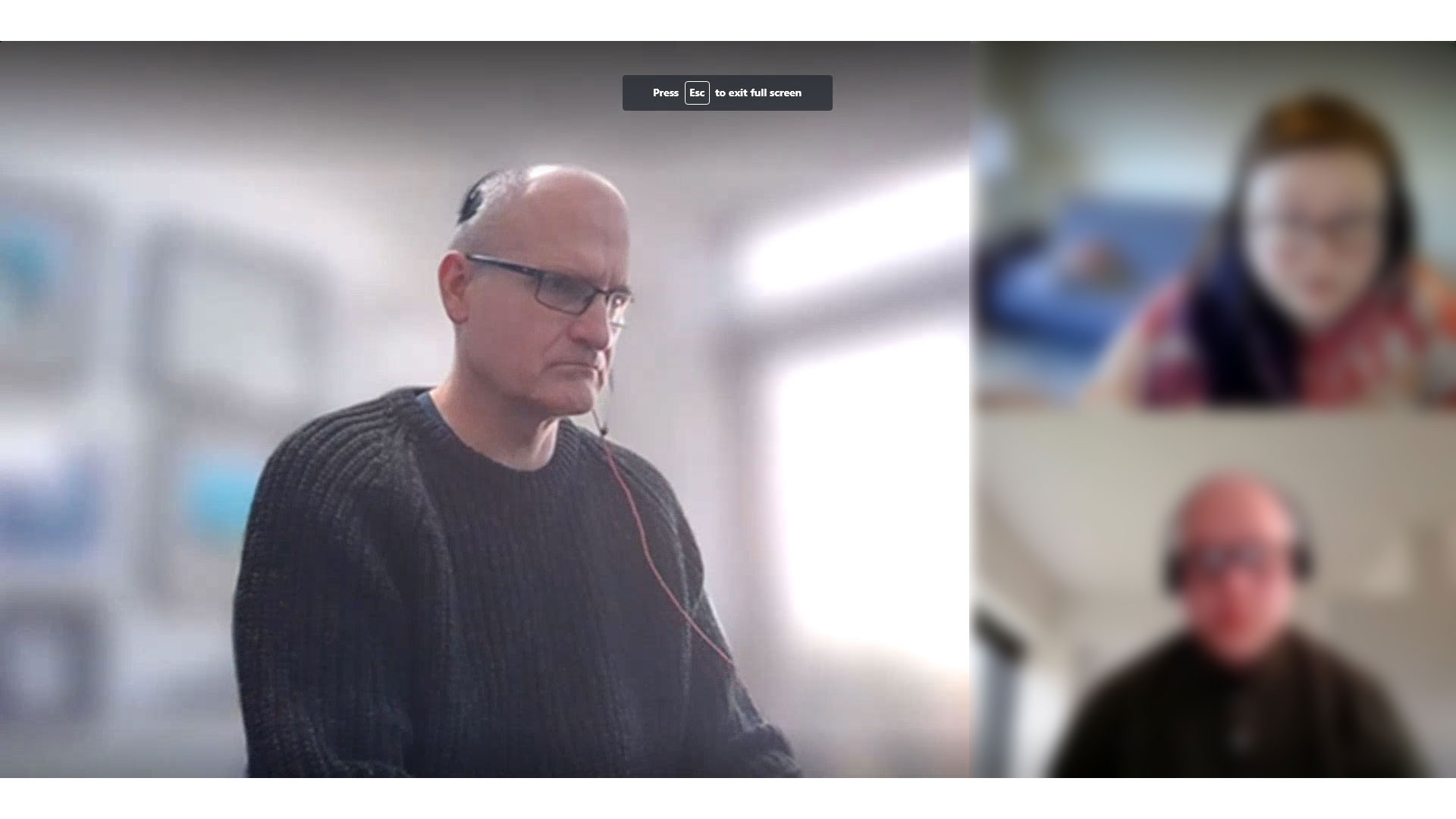
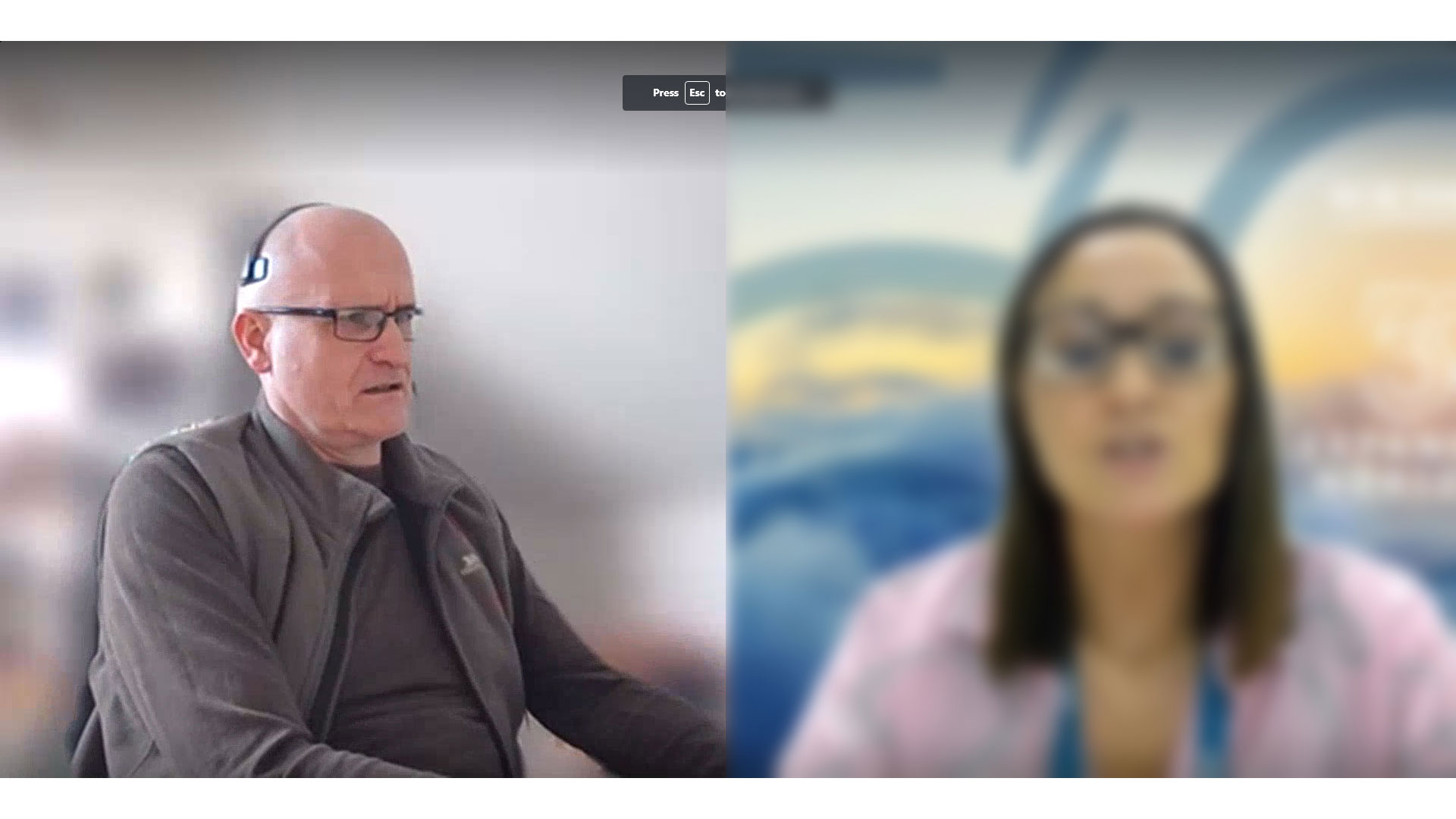
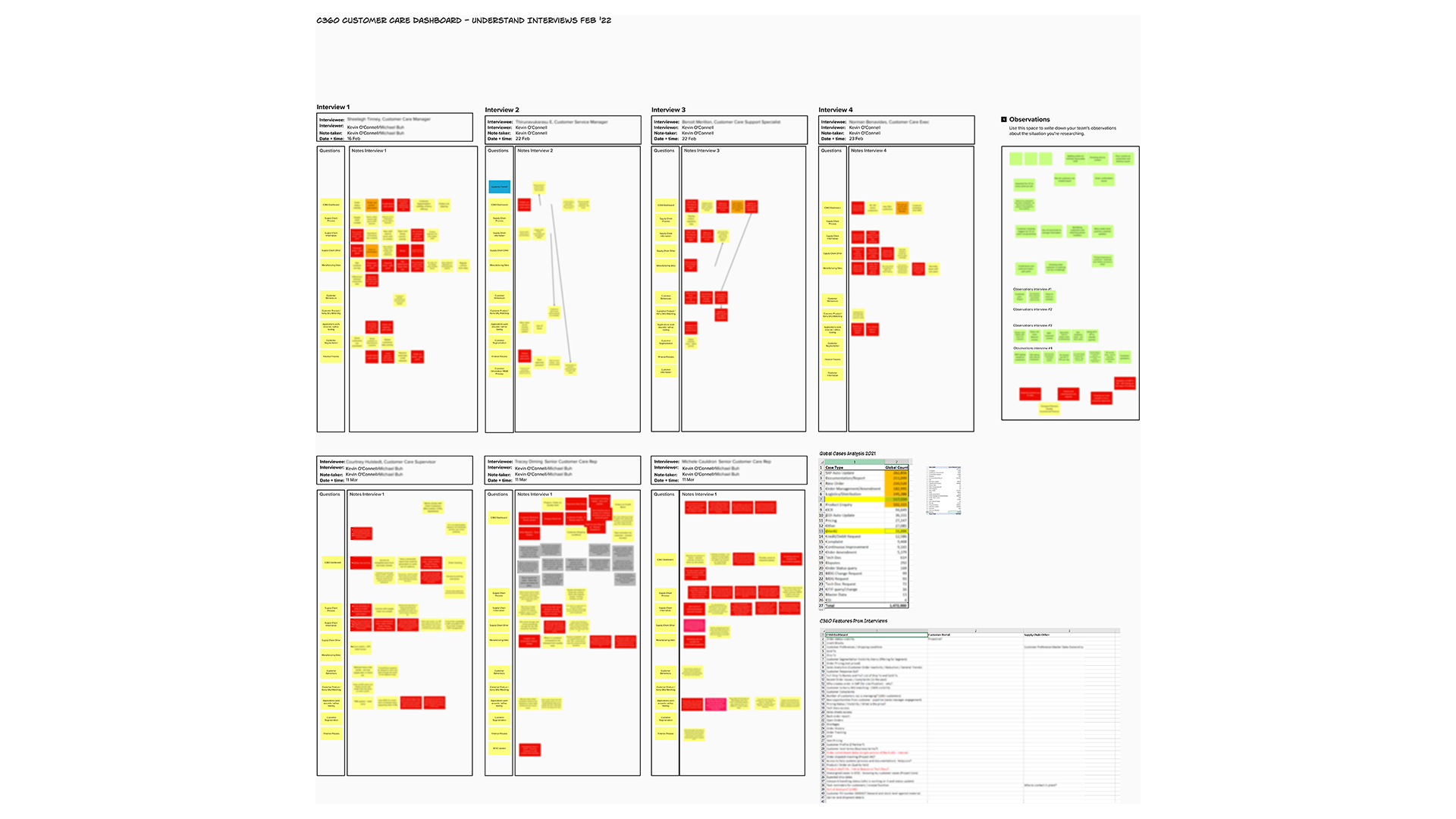
- Conducting 7 user interviews to capture needs and challenges
- Job shadowing 3 users through contextual inquiry
- Developing 2 core personas to represent key user groups
- Mapping scenarios and facilitating workshops to explore use cases
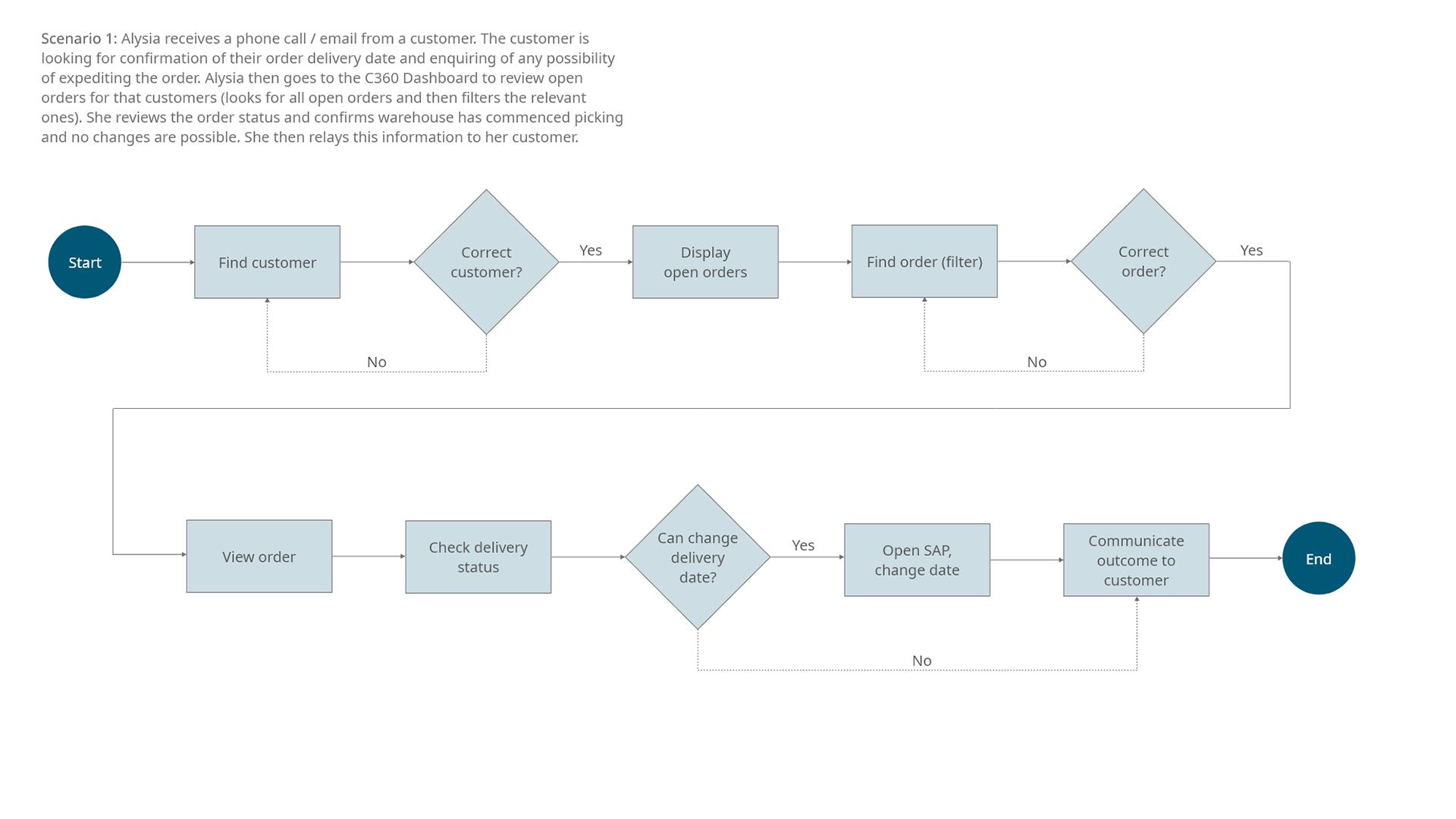
- Converting scenarios into detailed user flows to guide design
Problem identification – key insights from research
To identify key problems, we used two primary research techniques: user interviews and contextual inquiry. This process revealed several critical insights into the challenges faced by Customer Care employees, including:
- Fragmented data across multiple systems, primarily Salesforce and SAP
- Reliance on offline tools like Excel to manage customer information
- Limited visibility and prioritisation of customer issues
- Gaps in order tracking and case management
- Difficulty maintaining continuity during holiday periods due to insufficient buddy cover
User research
Persona development
The primary users were Customer Care Support Specialists and supervisors, with the scope later expanding to include production plant staff. Personas were created using insights from user interviews and employee job descriptions, helping to ground the design in real user needs. For the MVP, the focus was narrowed to a single core persona – the Customer Care Support Specialist.
Brainstorming – ideation techniques (scenario mapping)
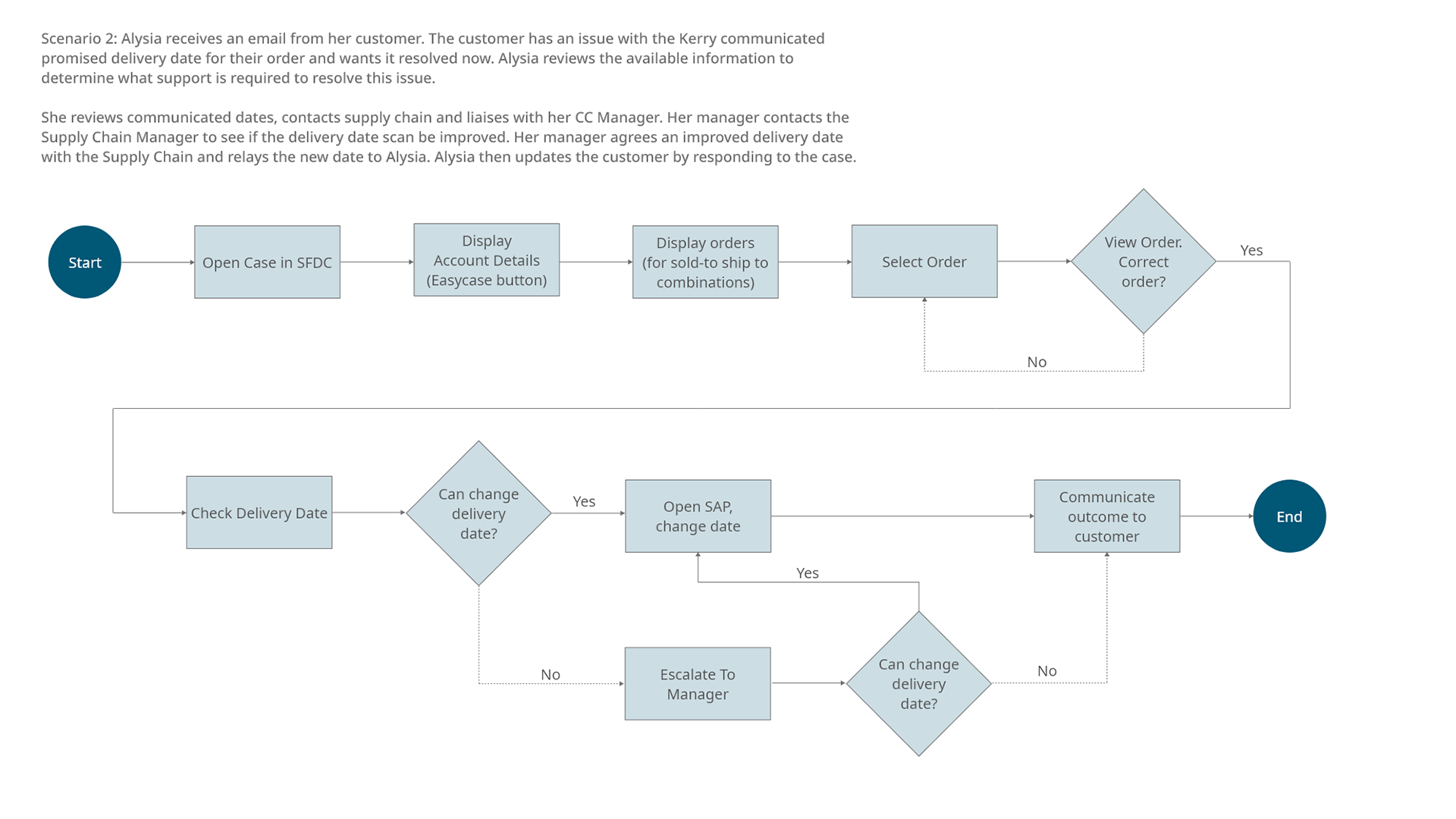
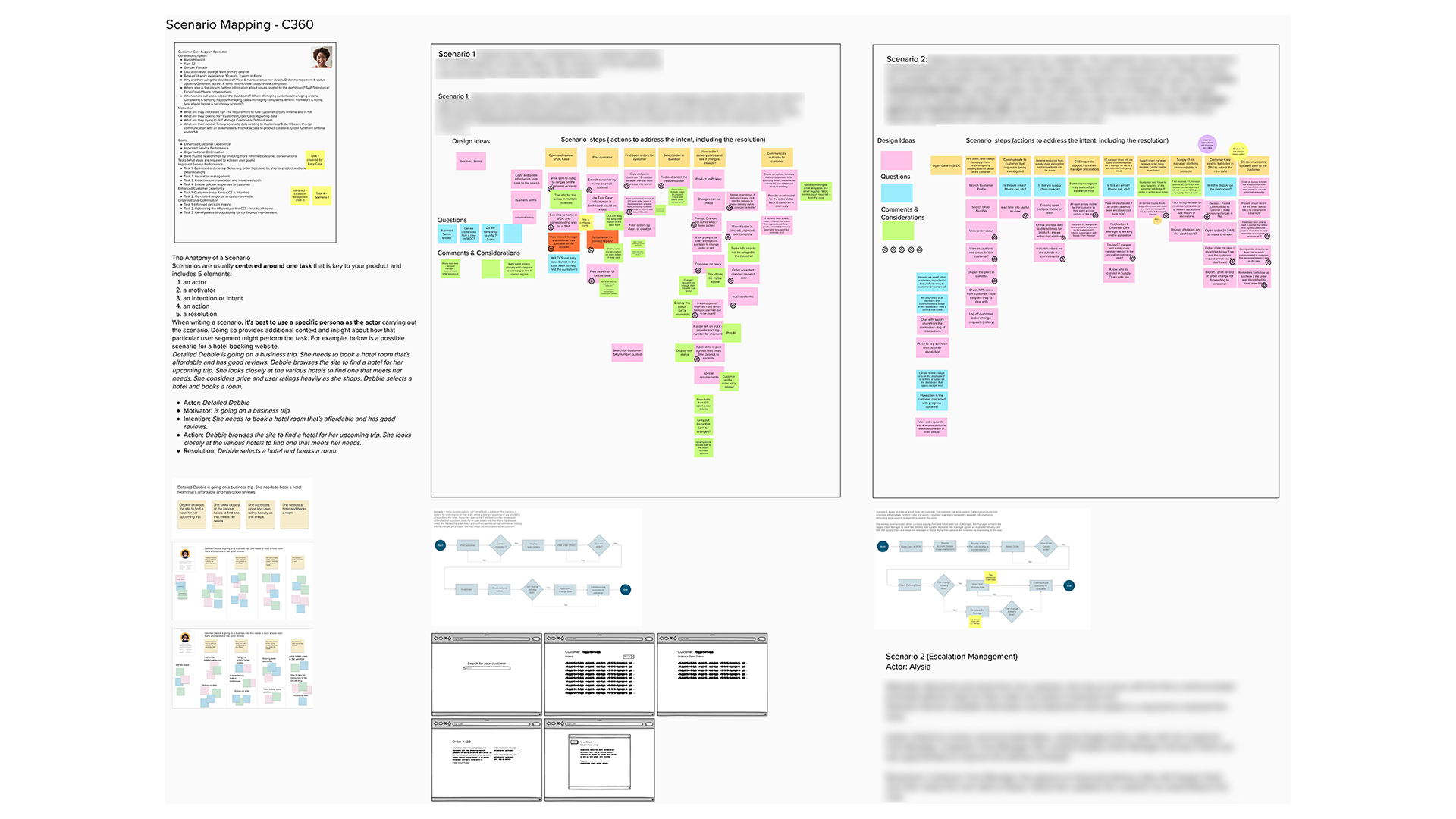
Scenario mapping was the primary brainstorming technique used to explore solutions. We ran multiple workshops – both on-site and virtually via Mural – drawing on insights from user research to uncover common process issues and pain points.
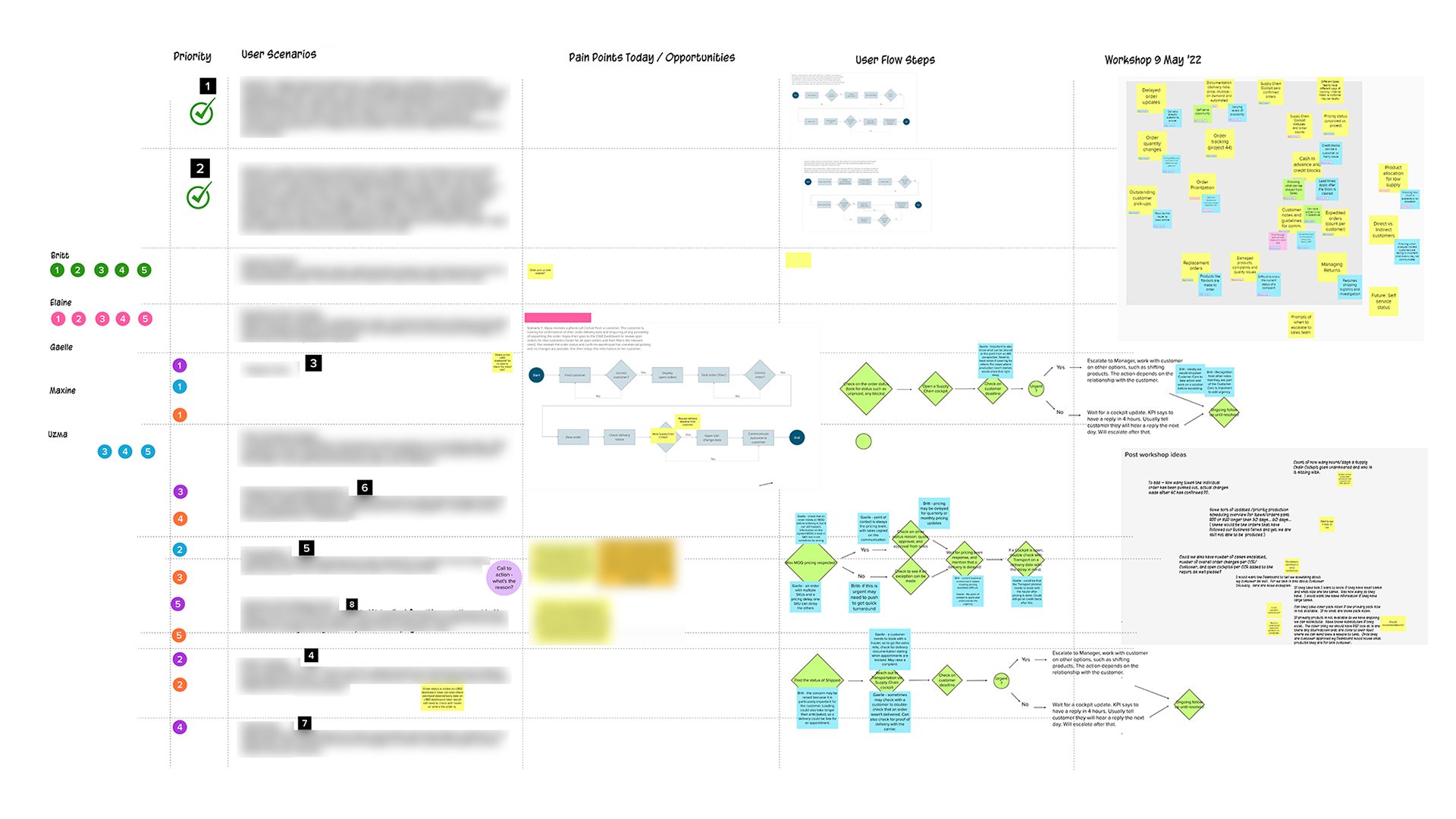
Across these sessions, 11 scenarios were developed and prioritised using dot voting, then validated directly with Customer Care employees to ensure alignment.
For the MVP, two high-impact scenarios were selected:
- Updating or changing an order after confirmation
- Managing escalations, such as changing an order delivery date
Scenario Mapping
Process – user flows, initial wire framing, design evolution
The scenario mapping workshops directly informed design concepts and user flows for each scenario. Early ideas were captured through sketches, then translated into low-fidelity wireframes using Balsamiq. These quick, lightweight prototypes enabled rapid testing and fast user feedback, ensuring the design evolved in line with real needs.
Solution development, testing and iteration
Prototypes for the two MVP scenarios were developed in Adobe XD and tested with users to refine the design. Working closely with developers and testers, I shaped the web-based solution through iterative feedback.
Across the final three MVP sprints, a subset of users and customer accounts were on-boarded. As the application matured, user testing informed refinements to both the data pipeline and the UX/UI.
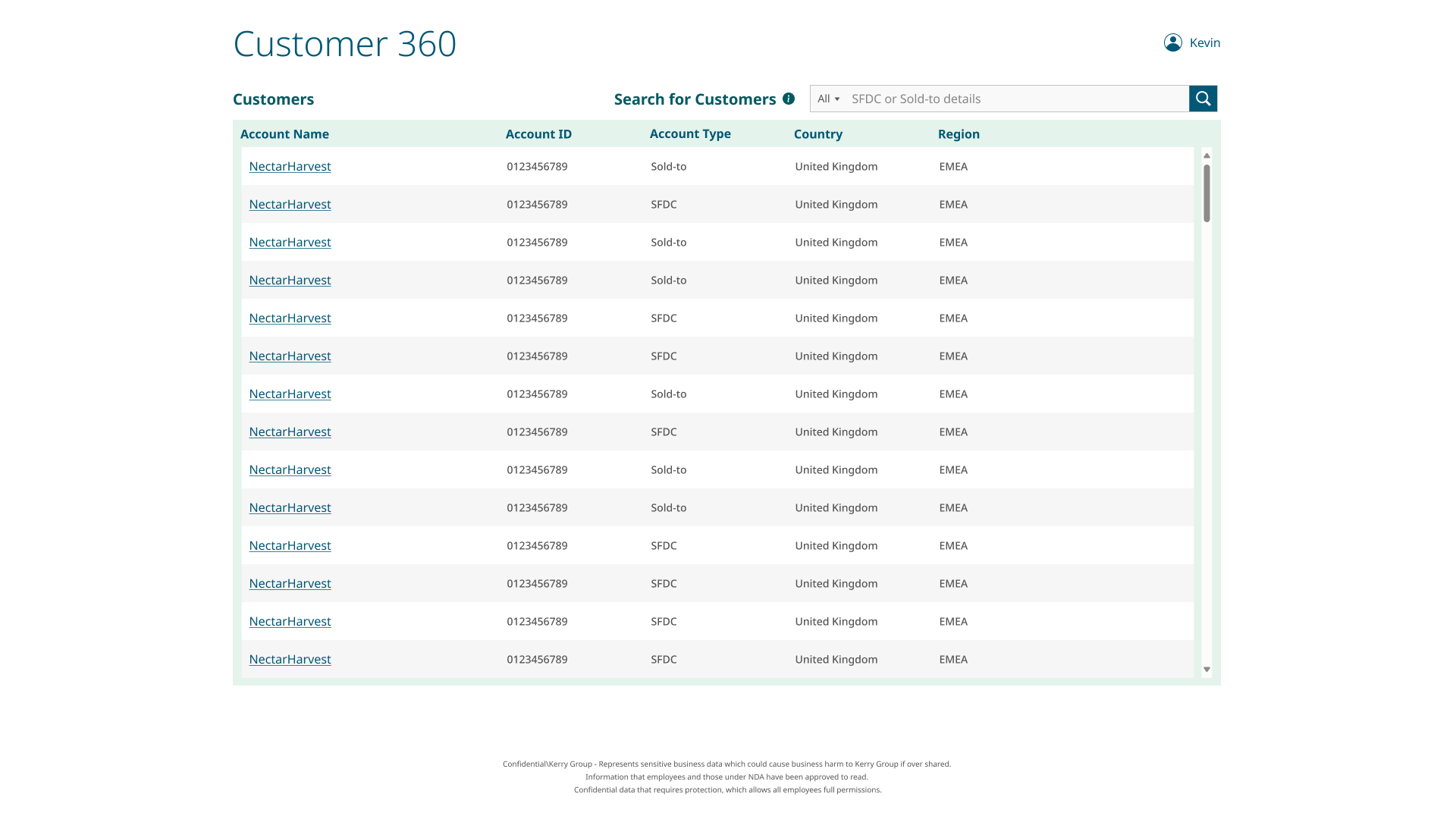
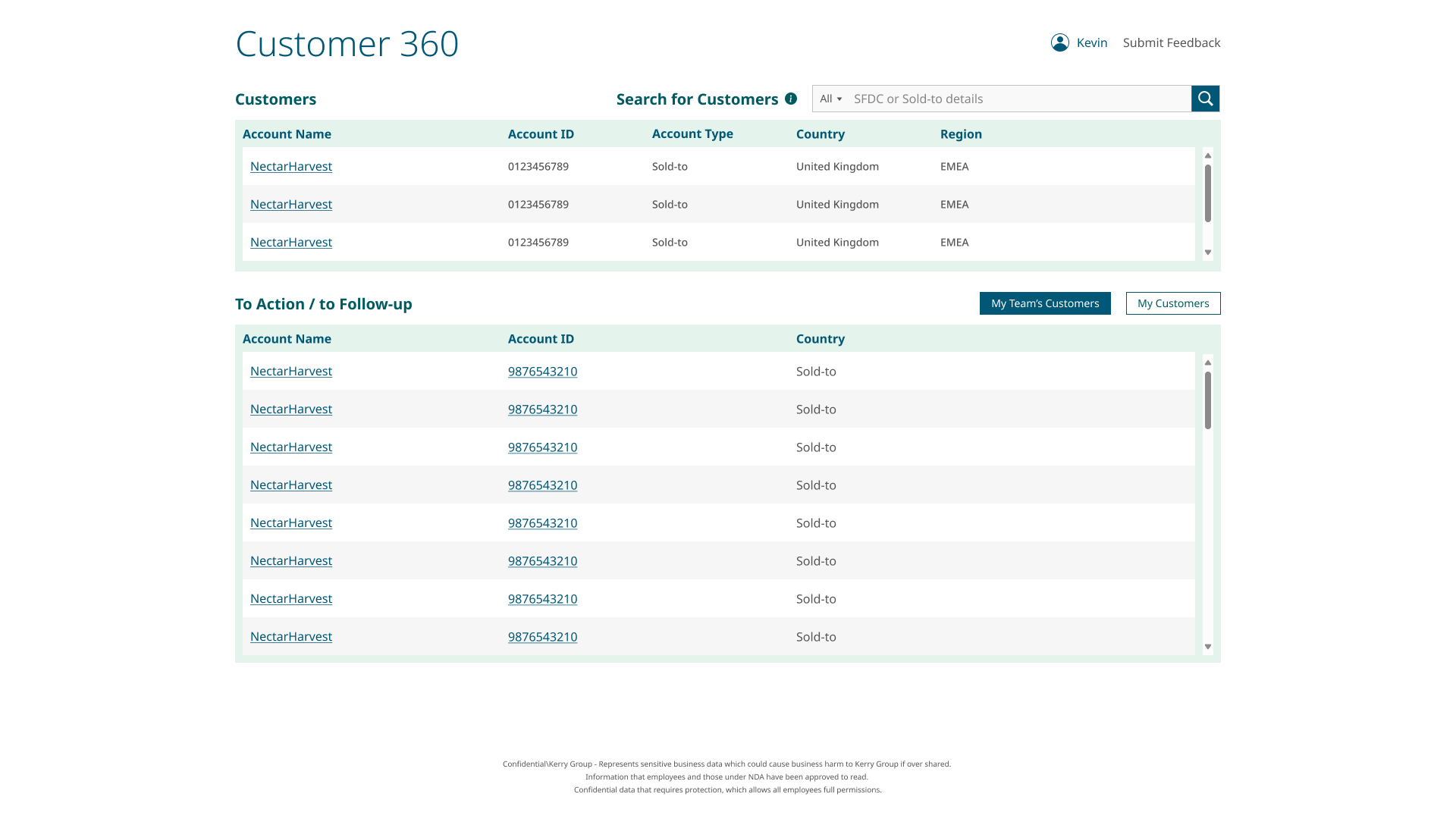
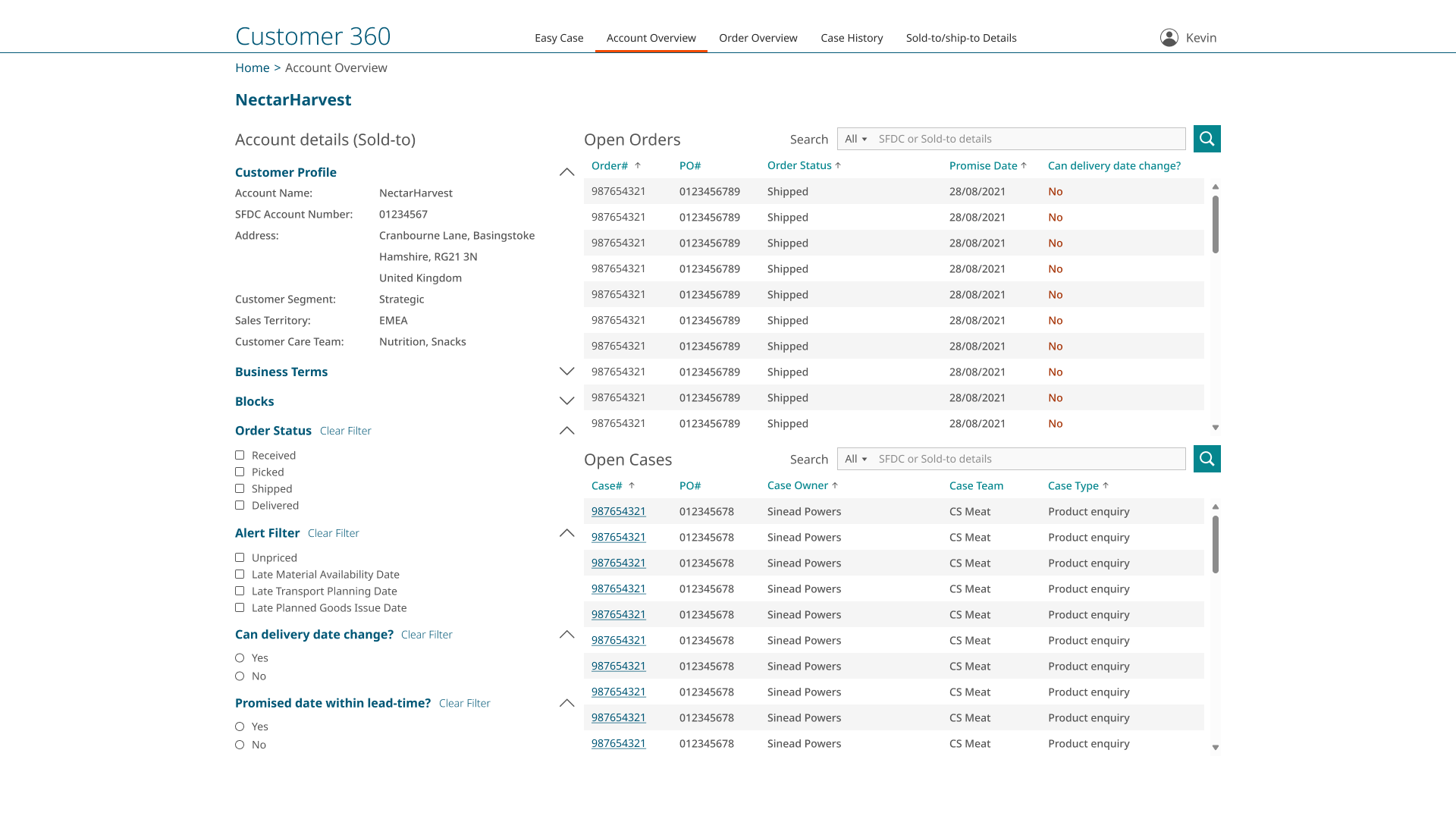
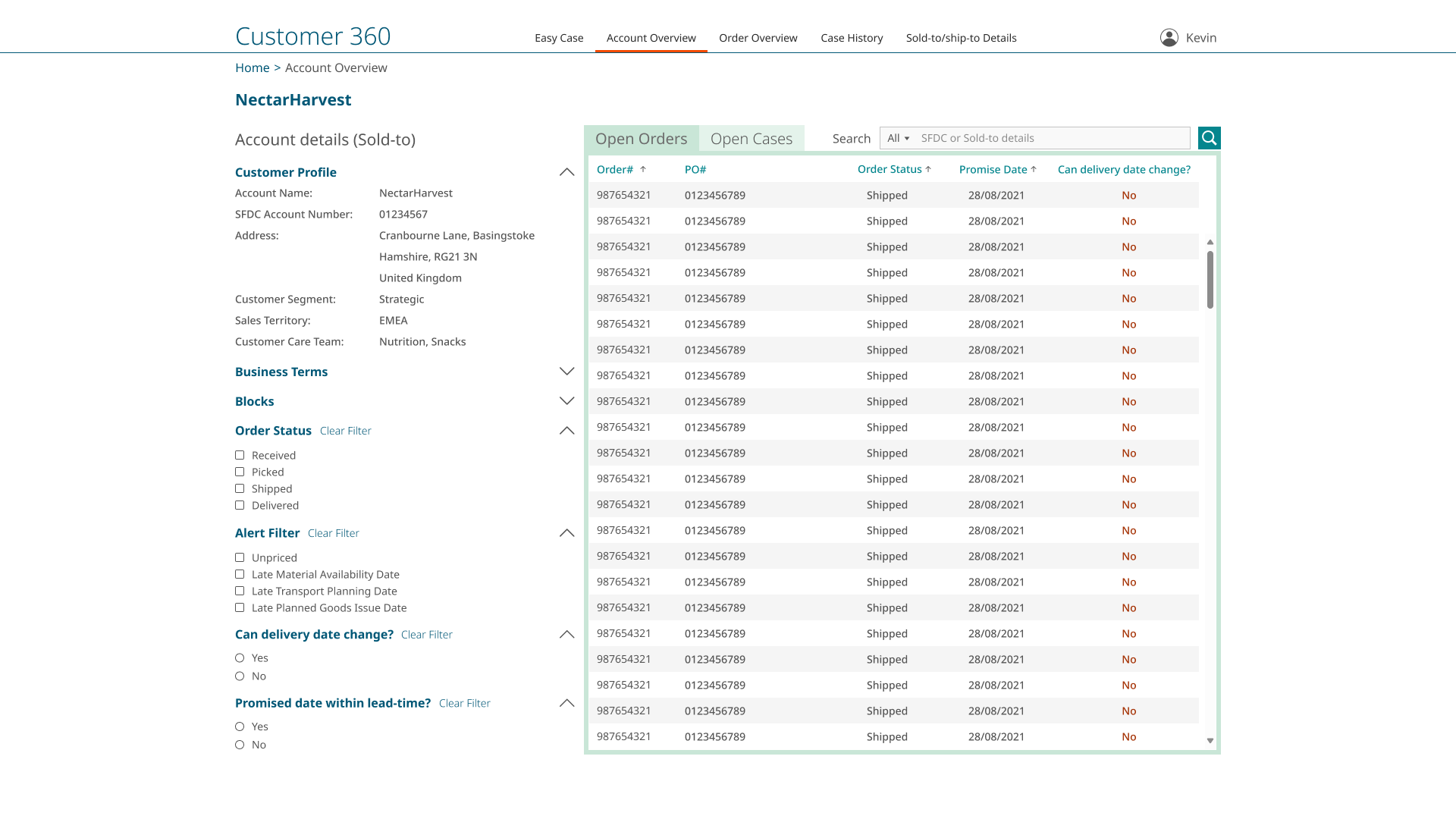
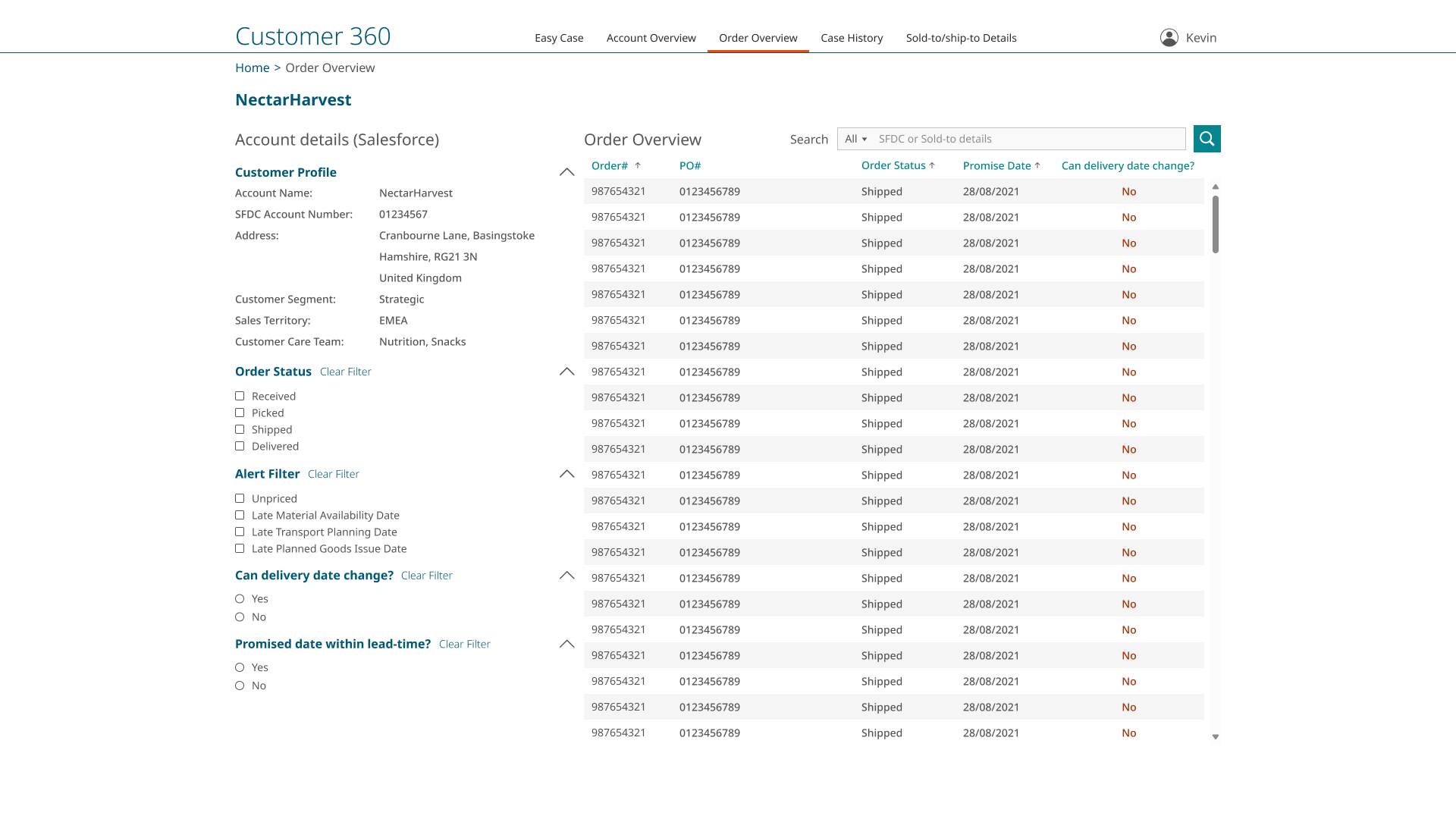
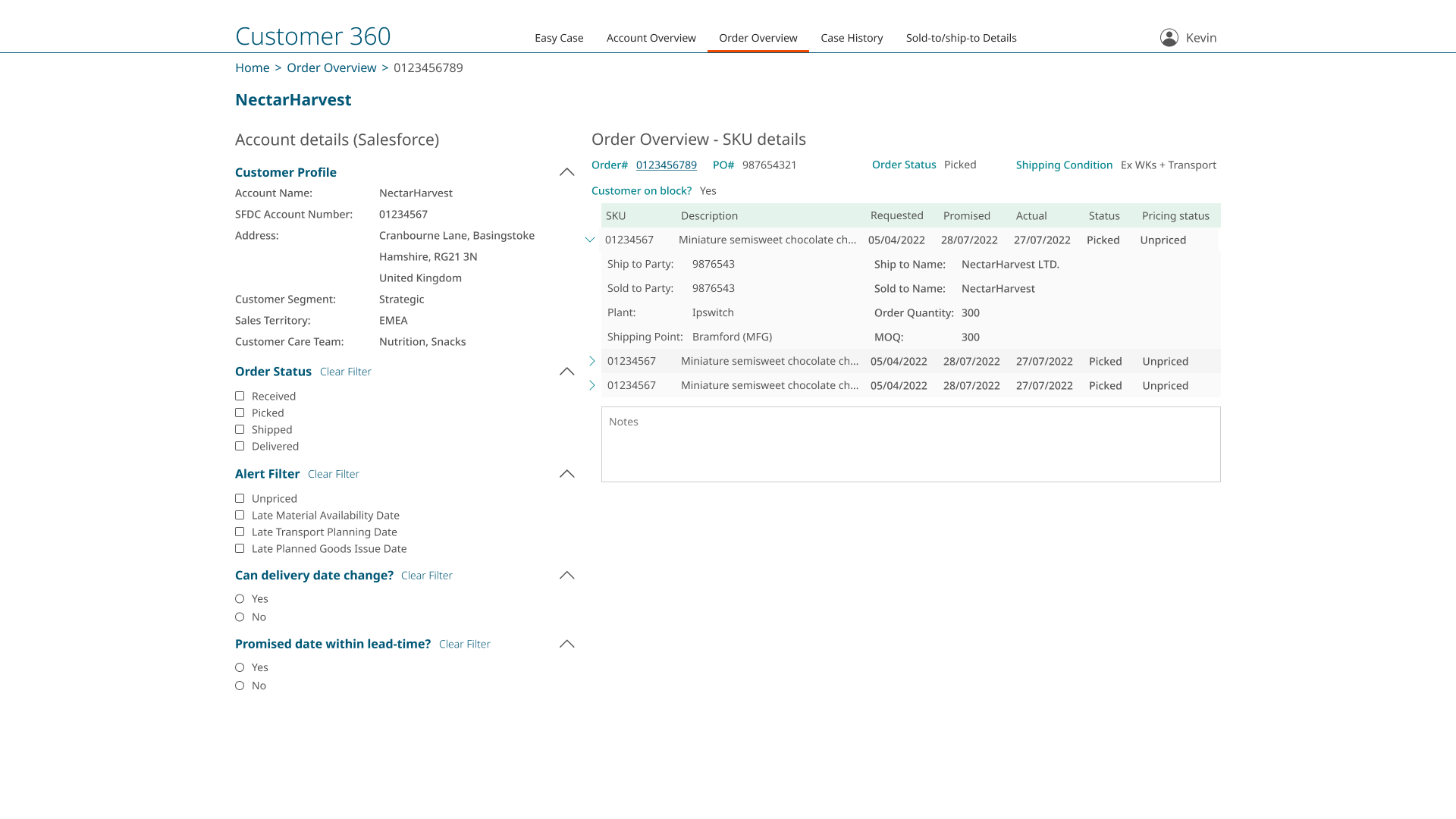
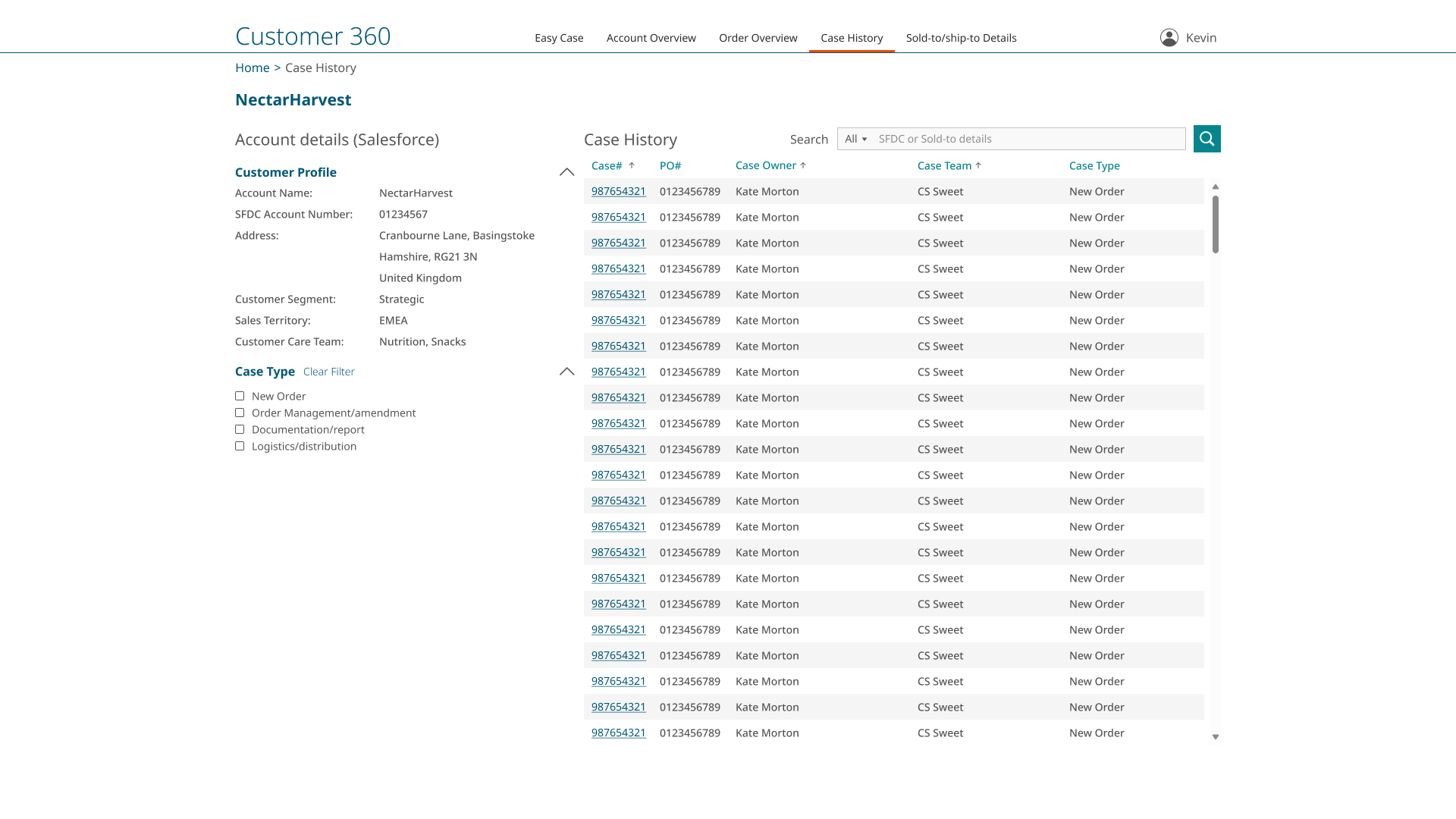
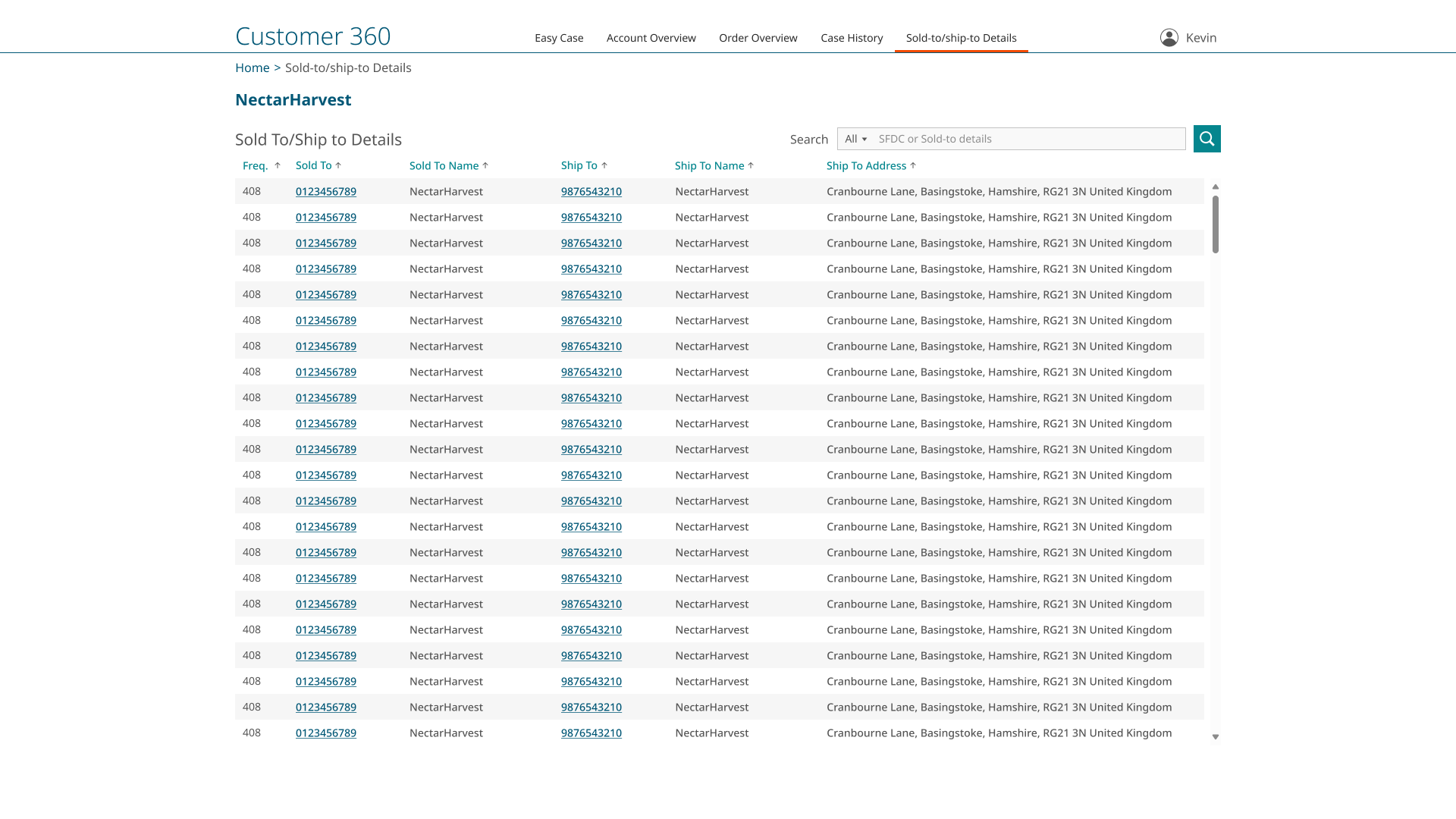
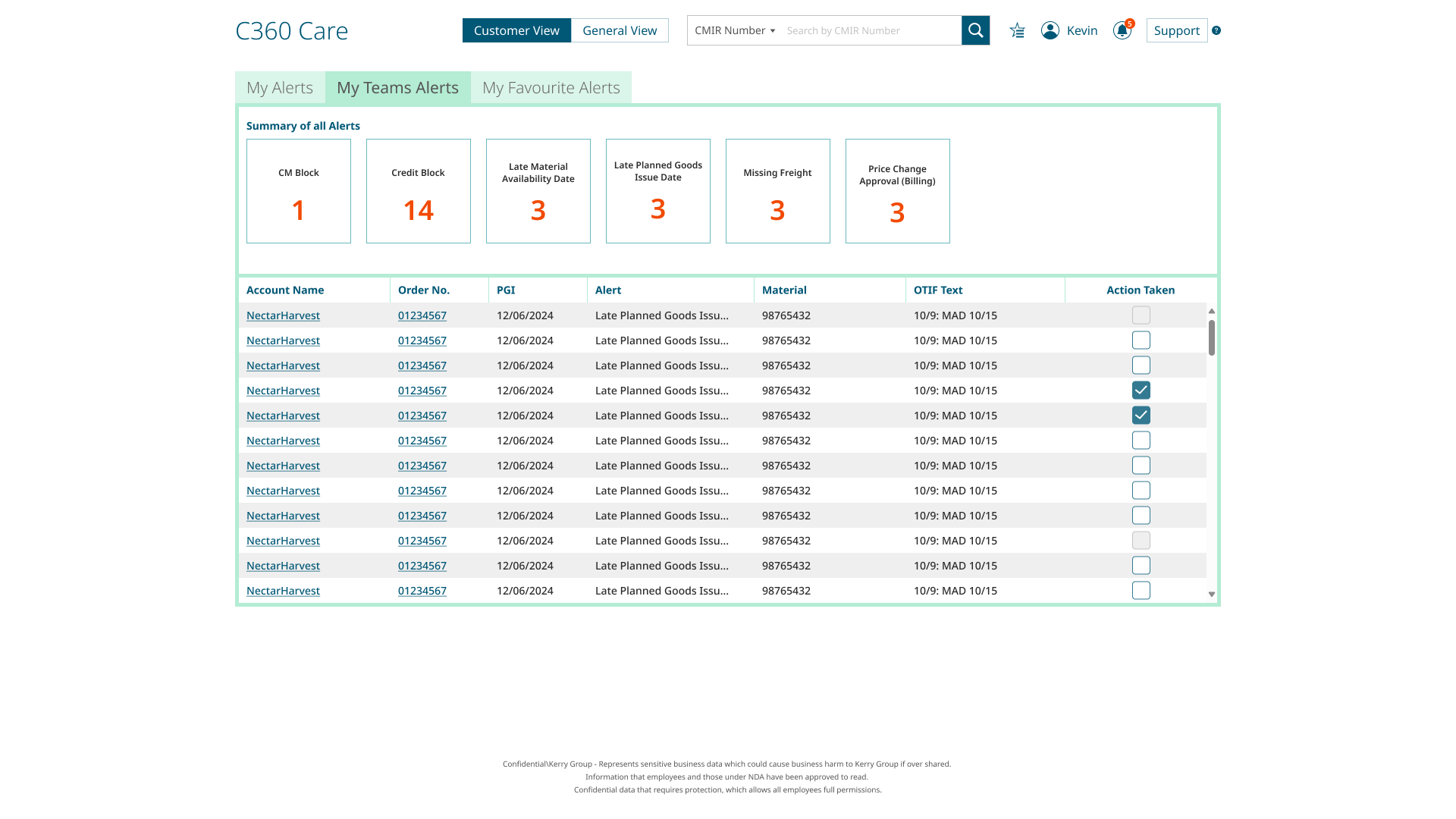
In June 2022, the MVP launched to a limited group of users and accounts. Post-launch, development continued toward a second release, expanding to additional priority scenarios. Early enhancements included separating open orders and cases into dedicated tabs, adding a 'favourites' feature for top accounts, integrating order tracking, and introducing an alerts dashboard.
Early iterations
Conclusion and final thoughts
The C360 Care tool was successfully rolled out to Customer Care employees across multiple regions, becoming a core part of their daily workflow. Ongoing check-ins with employees provided valuable feedback, enabling continuous refinement and the addition of new features to better support their needs.
By November 2024, development had expanded to include plant employees through a new ‘General View’ toggle in the UI. This required a deep dive into plant operations, supported by new personas and user flows. The extension built on the application’s existing architecture, reusing proven data visualisation techniques and UI patterns from the original design while tailoring them to a new user group.
Application screenshots
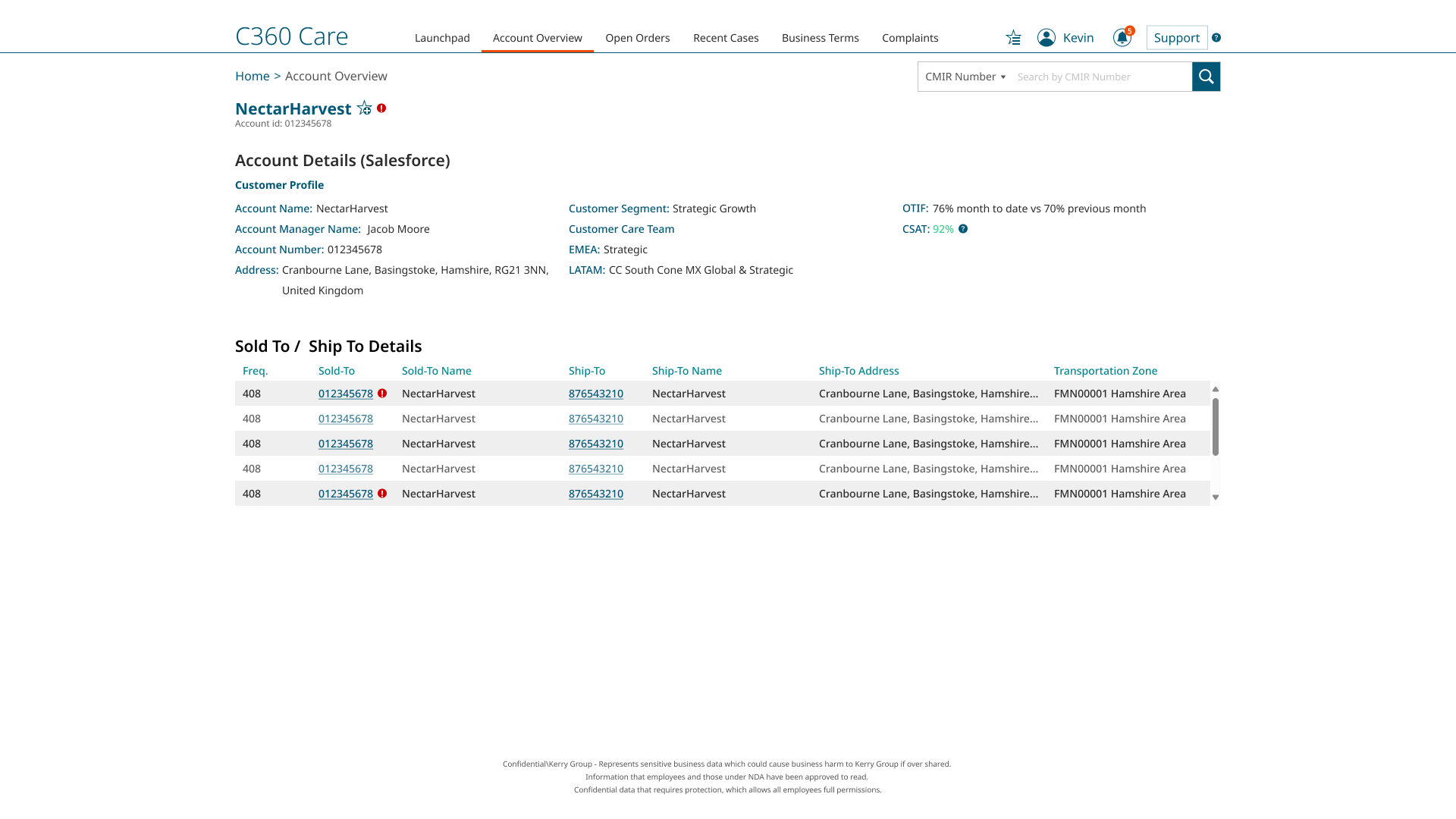
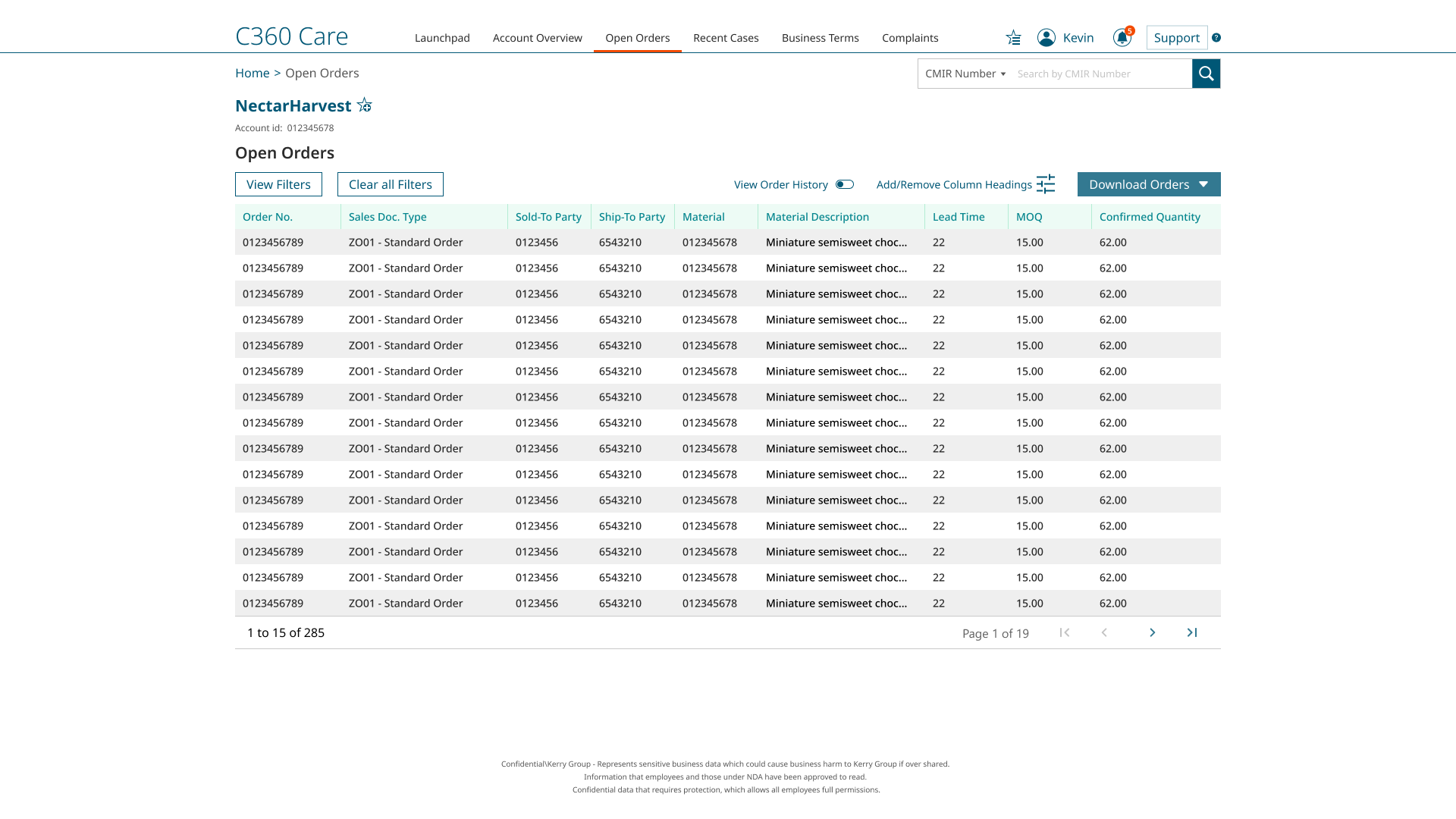
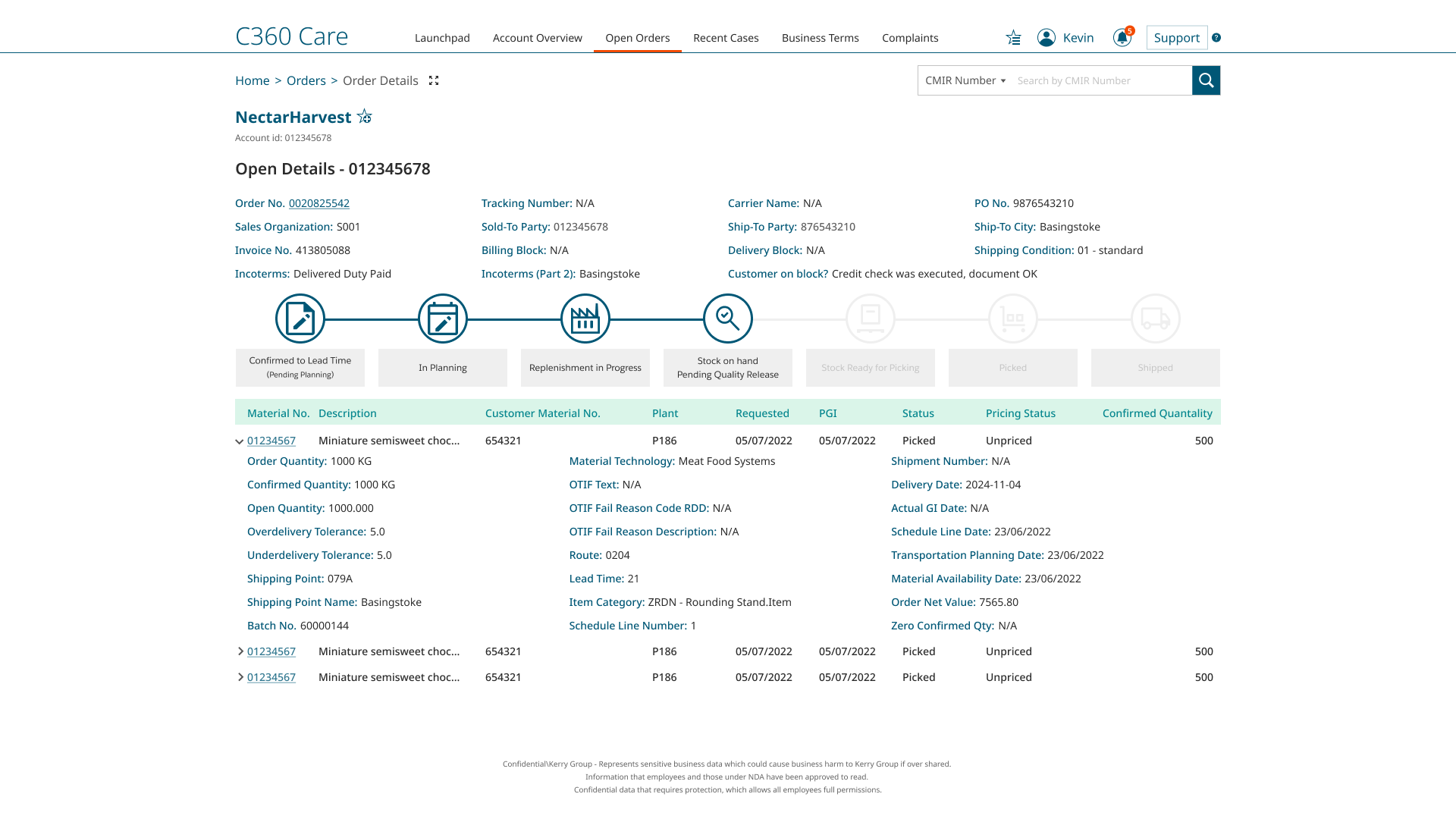
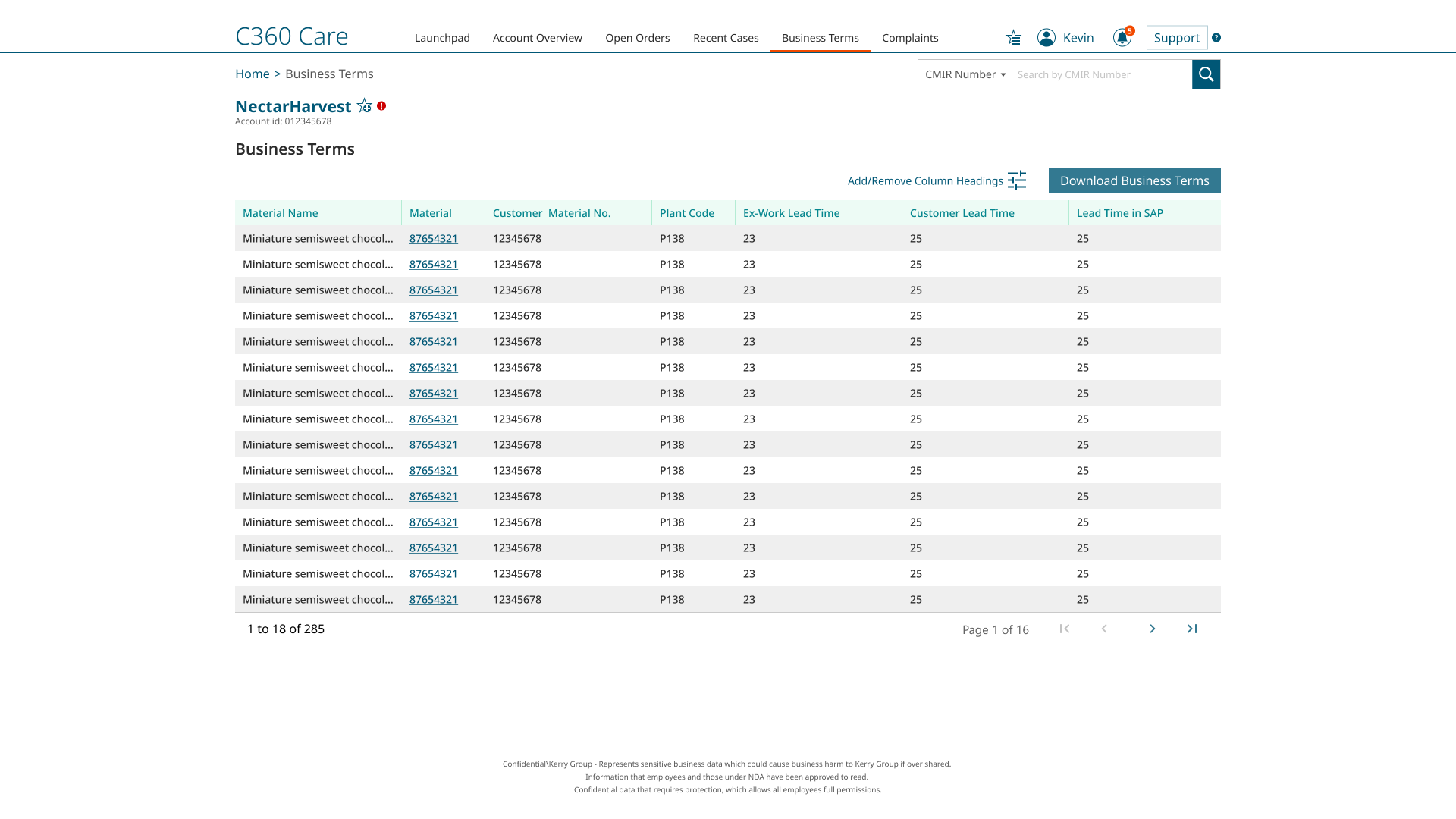
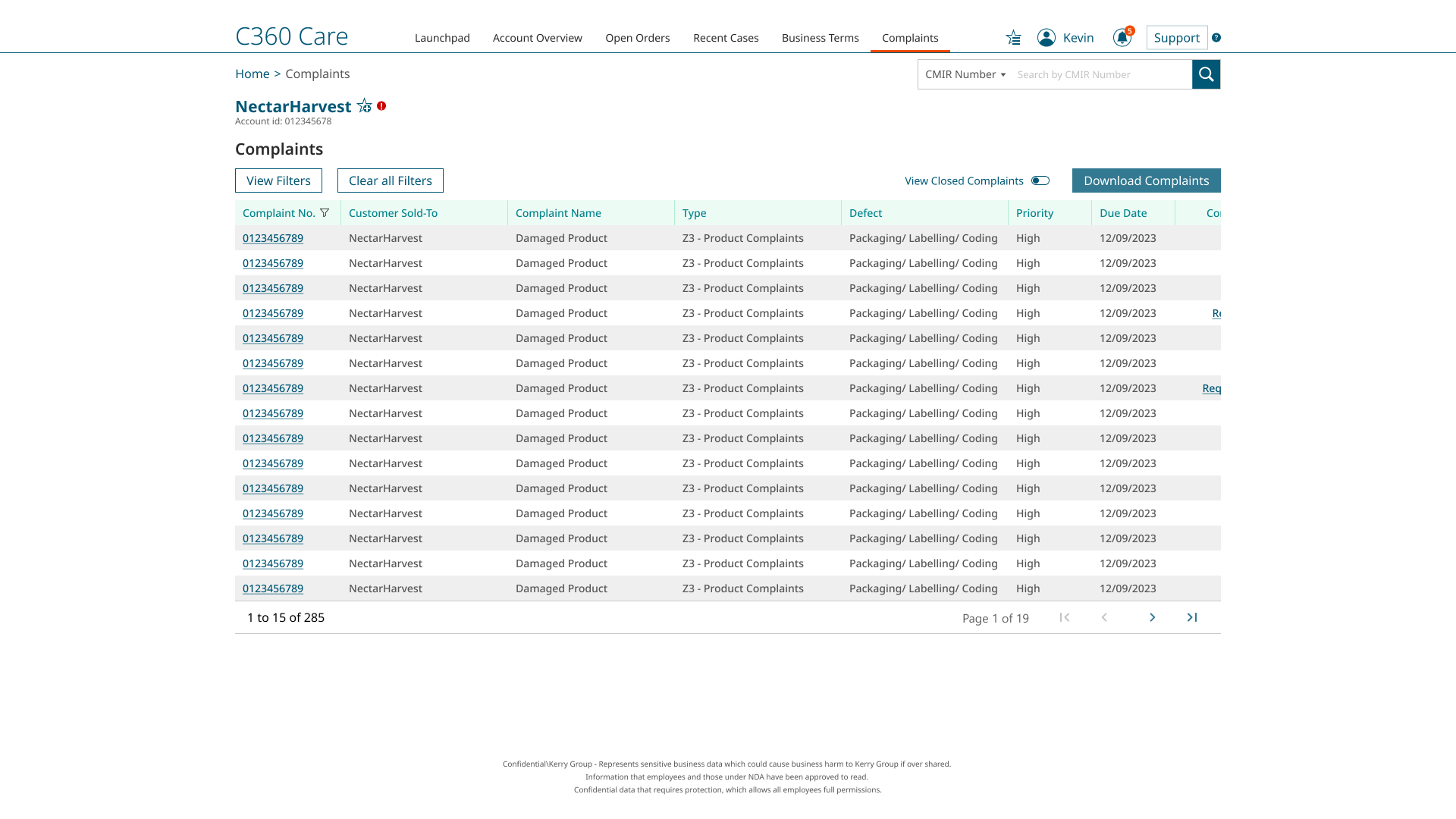
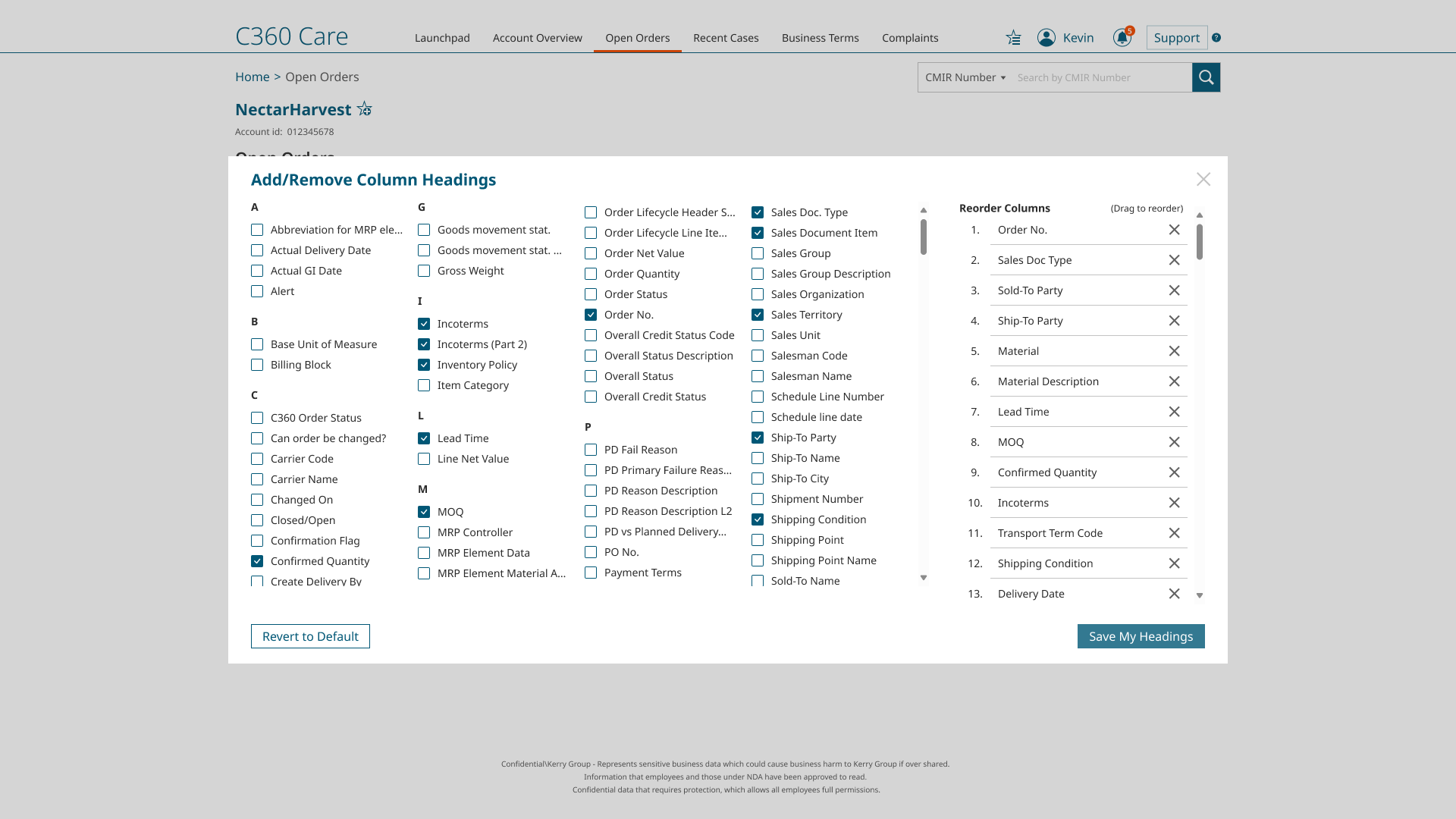
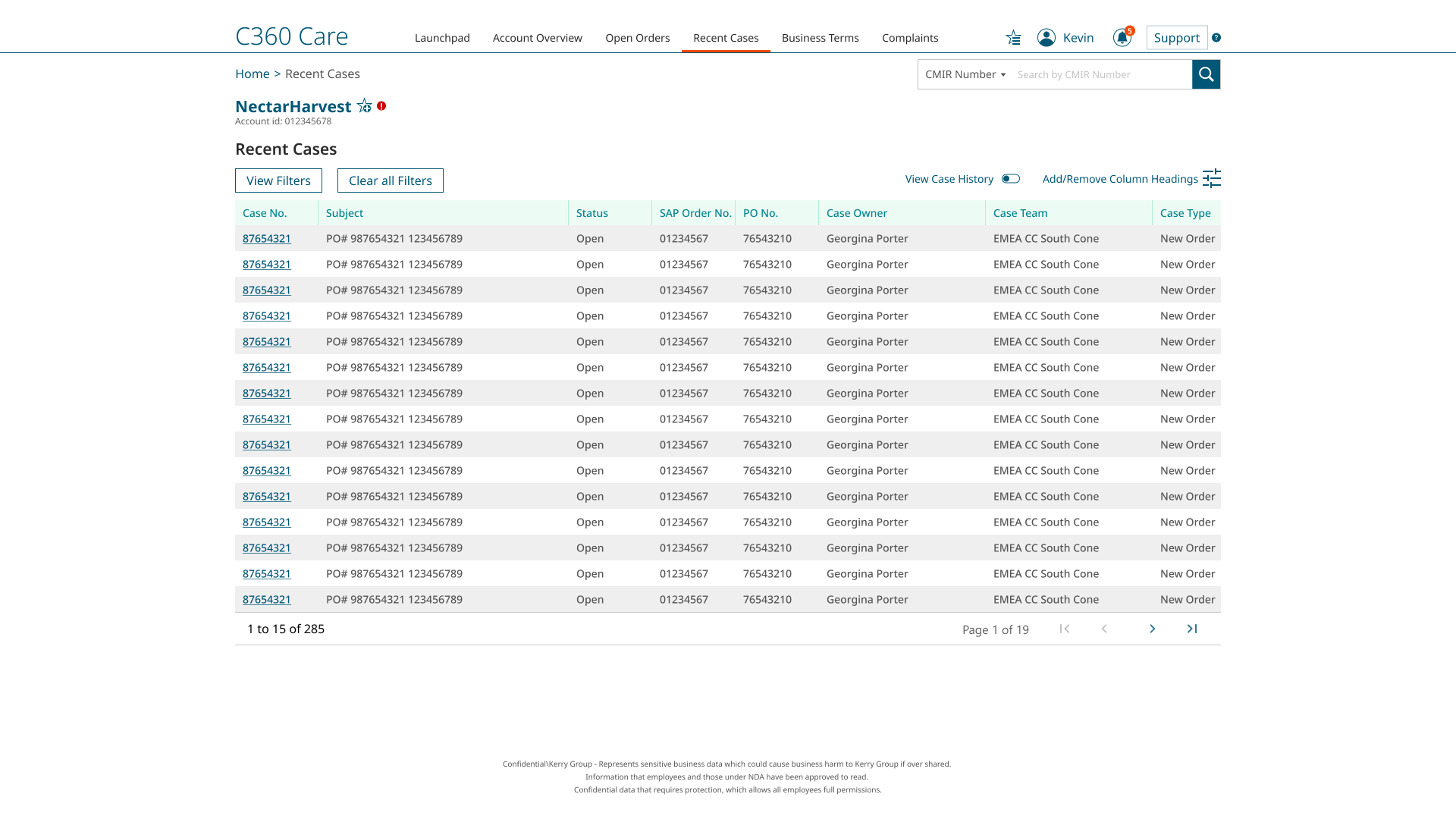
Please note that much of my work with Kerry Group is confidential and many visual examples have been redacted. Many thanks for Kerry Group for allowing me to use these examples.
